Proudly serving Scottsdale, Mesa, Tempe, Phoenix, Chandler, Gilbert & surrounding areasCall or Text 24/7: 602-905-5399
Aerial view of a paved asphalt parking lot at an office complex in Scottsdale, AZ with desert mountains in the distance.

Asphalt Milling and Surface Removal Services in Scottsdale, AZ

Scottsdale Asphalt provides asphalt milling removal in Scottsdale, AZ for driveways, parking lots, and commercial pavement across the Valley of the Sun. Our crews handle cold milling, asphalt surface removal, mill and overlay preparation, and asphalt recycling services for residential and commercial properties. We help property owners remove worn surface asphalt when patching no longer makes sense but the base may still be worth preserving. Every project starts with an honest look at whether milling, simpler repair, or full-depth removal is the right fit.

Scottsdale pavement takes a beating from surface temperatures that routinely exceed 160°F, intense UV exposure, and monsoon water that finds every crack. Milling removes the oxidized, cracked top layer to a controlled depth so a new overlay can bond to a clean, textured profile. Scottsdale Asphalt checks base condition, drainage, access, and reclaimed material handling before the milling drum starts. That careful planning helps protect your pavement base, control cost, and reduce unnecessary demolition.

Request a free estimate when your driveway, retail lot, HOA pavement, or commercial parking area is too worn for another patch. We will explain the recommended cut depth, recycling plan, overlay preparation, and any conditions that could change the scope before you authorize the work.

Scottsdale Asphalt provides asphalt milling and removal throughout Scottsdale, Paradise Valley, Tempe, Mesa, Chandler, Gilbert, Phoenix, and the broader Phoenix metro area.

★ ★ ★ ★ ★5/5 Customer Rating · 26 Years in the Asphalt Trade · Thousands of Paving Jobs Completed · Licensed, Bonded & Insured · Homes, Businesses & Commercial Sites

Asphalt Milling Removal & Pavement Benefits

What Is Asphalt Milling Removal?

Asphalt milling removal, also called cold milling or cold planing, grinds away the worn upper asphalt layer with a rotating drum fitted with carbide cutting teeth. The machine fractures and lifts the bound asphalt matrix while leaving the aggregate base course intact when that base is still sound. A conveyor loads the reclaimed asphalt pavement, or RAP, into haul trucks for recycling or reuse.

Typical milling depth ranges from 1.5 inches for a surface refresh to 4 inches or more when multiple deteriorated lifts need to be removed. Scottsdale Asphalt sets the cut with grade sensors and cross-slope controls so the new profile drains correctly. Even a quarter-inch too deep can damage the base, while a shallow cut can leave failed material under the next overlay.

The process is different from full-depth demolition because it removes only the damaged surface course instead of rebuilding every layer. It is the same basic pavement rehabilitation method described in Scottsdale's Pavement Preservation work: grind and remove the top asphalt layer, prepare the road, and place new asphalt. For driveways, parking lots, and commercial surfaces, that targeted approach can restore the bonding surface without unnecessary tear-out.

Benefits of Asphalt Milling Removal

Milling is valuable when pavement is too distressed for patching but still has a usable base. By removing oxidized asphalt, correcting profile issues, and preparing a textured surface for tack coat and overlay, Scottsdale Asphalt helps owners get a durable resurfacing result without paying for full reconstruction when it is not needed.

  • Removes cracked, raveled, or brittle surface asphalt instead of hiding it under a thin overlay.
  • Preserves a sound base when only the top 2 to 3 inches have failed.
  • Creates a clean, textured surface that improves mechanical bond for new asphalt.
  • Helps correct cross-slope, low spots, and drainage problems before resurfacing.
  • Reduces demolition scope, haul-off, and disruption compared with full-depth replacement.
  • Captures reclaimed asphalt pavement for recycling rather than unnecessary landfill disposal.
  • Supports phased work on active retail, office, HOA, and driveway projects.
  • Gives property owners a clear path from assessment to milling, cleanup, tack coat, and overlay prep.
Milling Services

Asphalt Milling Services

Scottsdale Asphalt provides cold milling, asphalt surface removal, mill and overlay preparation, spot asphalt grinding, and RAP handling for residential and commercial properties. Our crews match the machine, drum pattern, bit spacing, rotation speed, cut depth, and staging plan to the condition of the pavement, site access, and the new surface planned after removal.

Cold Milling and Cold Planing

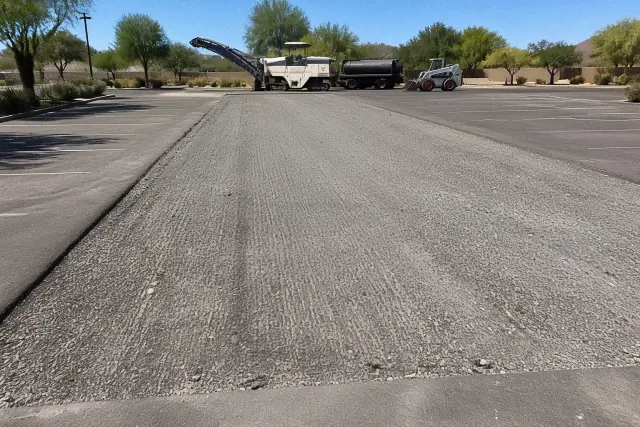
Freshly milled asphalt surface in a commercial parking lot in Scottsdale, AZ with heavy machinery parked nearby.

Cold milling uses cutting teeth instead of heat to remove the old surface at a controlled depth. We use this method for driveways, parking lots, and lanes where the base is still stable but the surface has oxidized, cracked, or raveled. The finished profile is cleaned and prepared so tack coat and new asphalt can bond correctly.

Request Estimate

Asphalt Surface Removal

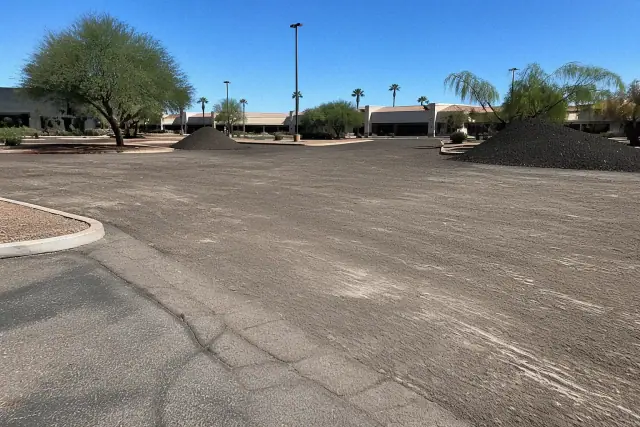
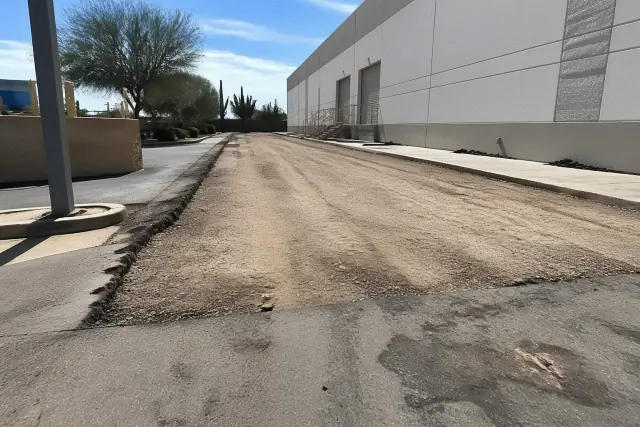
Clean asphalt parking lot after milling and removal at a retail center in Scottsdale, AZ.

When damaged asphalt needs to come off cleanly, our team removes the failed lift without disturbing stable layers below. Surface removal is suited for pavement with widespread wear, longitudinal cracking, transverse cracking, or aggregate separating from the binder. It is also a practical way to prepare areas that would otherwise reflect old cracks through a new overlay.

Request Estimate

Mill and Overlay Preparation

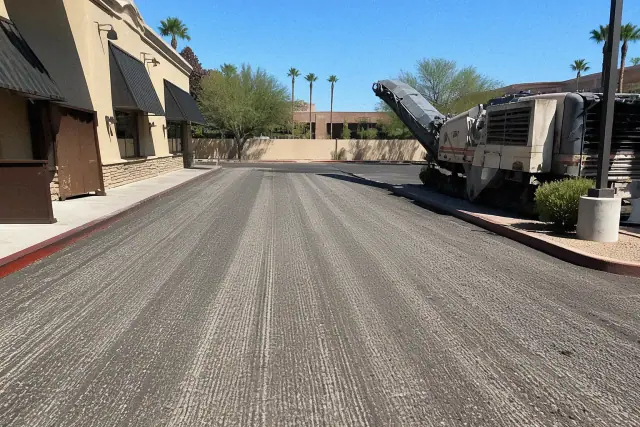
A large milling machine parked on a freshly prepped asphalt lot at a restaurant in Scottsdale, AZ.

A successful overlay starts with the surface under it. We mill to a consistent profile, clean loose material, trim edges at curbs or aprons, and prepare the pavement for tack coat before new hot-mix asphalt is placed. This step helps the new lift behave as part of the pavement section instead of sitting on top of a smooth, oxidized layer.

Request Estimate

Asphalt Recycling and RAP Handling

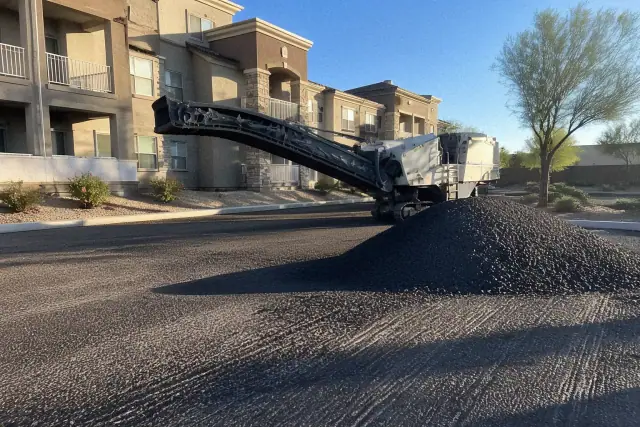
Freshly milled asphalt parking lot with a recycling machine at an apartment complex in Scottsdale, AZ.

The material removed during milling is reclaimed asphalt pavement, often called RAP. Scottsdale Asphalt loads millings directly into haul trucks when possible and manages the material for recycling, reprocessing into new hot-mix asphalt, or reuse as compactable base where appropriate. This keeps the jobsite cleaner and reduces unnecessary waste.

Request Estimate

Commercial Parking Lot Milling

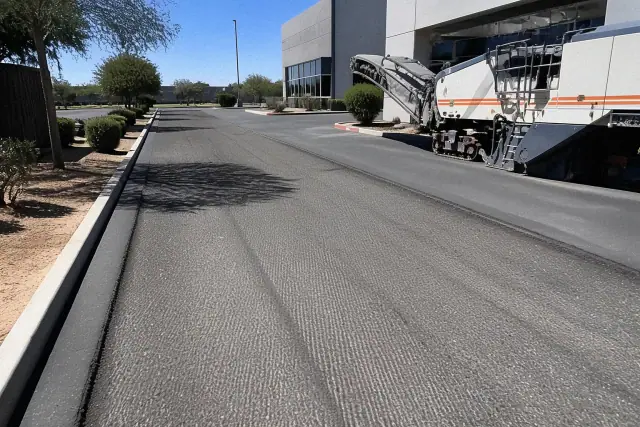
Freshly milled asphalt surface in an office parking lot driveway in Scottsdale, AZ.

Commercial parking lots near Scottsdale Road, Old Town, Scottsdale Fashion Square, resort corridors, medical offices, and retail centers need careful phasing so customers and tenants can still access the property. A busy lot can deteriorate to liability risk within a decade without systematic maintenance, and milling projects may range from a few hundred square yards to multiple acres. We coordinate traffic flow, signage, truck staging, and section-by-section work so the property stays as usable as possible.

Request Estimate

Residential Driveway Milling

Freshly cleared asphalt sub-base at a warehouse loading dock in Scottsdale, AZ.

For Scottsdale driveways, compact milling equipment can remove the top layer without crowding landscaping, irrigation heads, garage aprons, or HOA-sensitive areas. Many older driveways from the 1990s and 2000s can be milled 1.5 to 2 inches and resurfaced when the base remains stable. When resurfacing follows, durable Arizona-suited hot-mix asphalt with polymer-modified binders can help resist rutting and shoving in extreme surface temperatures.

Request Estimate
Milling Options

Types of Asphalt Milling Work

Not every pavement needs the same removal method. Scottsdale Asphalt chooses the milling approach by looking at surface distress, base stability, desired overlay thickness, drainage, equipment access, and whether reclaimed material should be hauled off or reused.

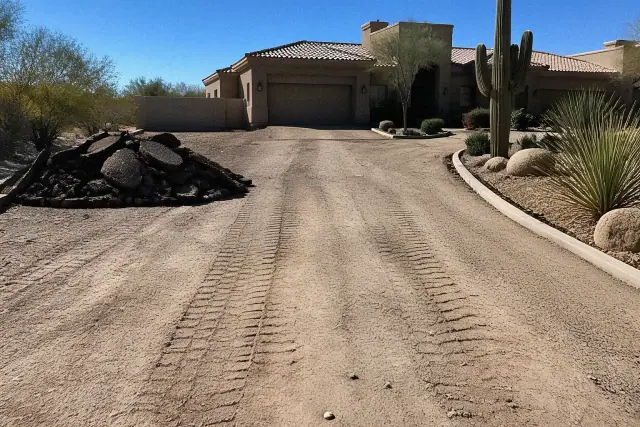
Textured asphalt sub-base on a residential driveway after milling in Scottsdale, AZ.

Standard Surface Milling

Standard surface milling removes the top lift when the base is sound and the pavement needs a clean profile for resurfacing. Equipment can range from a 6-foot cold planer for driveway approaches to a full-lane-width machine for larger commercial work.

  • Typical surface refresh cuts may start around 1.5 inches when only the wearing course has failed.
  • Grade and cross-slope controls help keep the finished surface draining toward collection points.
  • A tighter bit pattern can produce a finer texture under a thin overlay.
  • Compact machines can be selected where driveways or tight access limit full-size equipment.
  • The milled surface is cleaned before tack coat and overlay placement.
Request Estimate
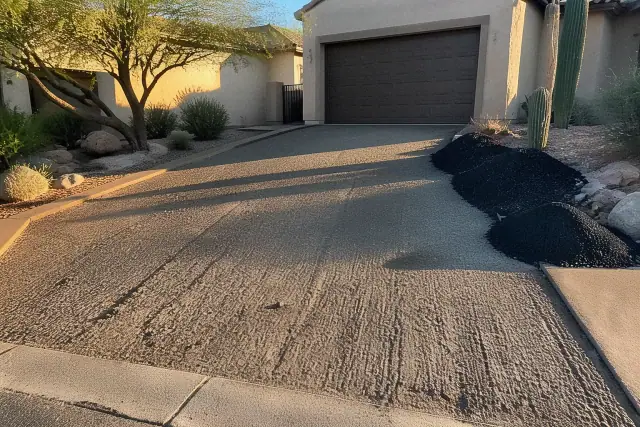
Freshly milled asphalt residential driveway with landscaping in the late afternoon sun in Scottsdale, AZ.

Multiple-Lift Asphalt Removal

Multiple-lift removal is used when deterioration extends below a shallow surface refresh. Cutting 3 to 4 inches, or 4 inches or more in heavier commercial conditions, produces more reclaimed material and requires closer attention to base condition, access, and haul-off sequencing.

  • Useful when old overlays have stacked into multiple deteriorated lifts.
  • Cut depth is verified before the drum starts so stable base material is not removed.
  • Truck staging is planned because deeper cuts create more RAP.
  • The crew watches for hidden base damage as the old asphalt comes off.
  • If conditions change, the scope is reviewed before additional work proceeds.
Request Estimate
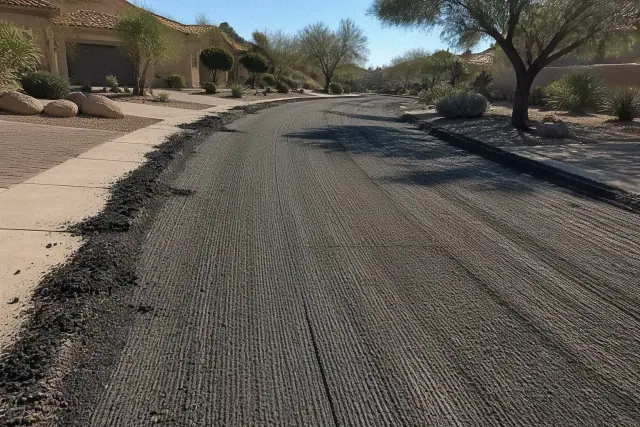
Milled asphalt road surface with desert landscaping in a residential neighborhood in Scottsdale, AZ.

Mill and Overlay Preparation

A mill and overlay sequence removes failed surface asphalt and then places a new asphalt lift on a bonded, prepared profile. This option is often the value point when the old surface is failing but full reconstruction would rebuild layers that are still functioning.

  • Reduces reflective cracking that can appear within one to two seasons when overlay is placed over old cracked asphalt.
  • Provides aggregate exposure for tack coat and mechanical interlock.
  • Allows low spots and birdbath ponding areas to be addressed before paving.
  • Helps match existing curb, gutter, apron, and utility lid elevations.
  • Supports residential, HOA, retail, office, hotel, and medical-campus paving needs.
Request Estimate
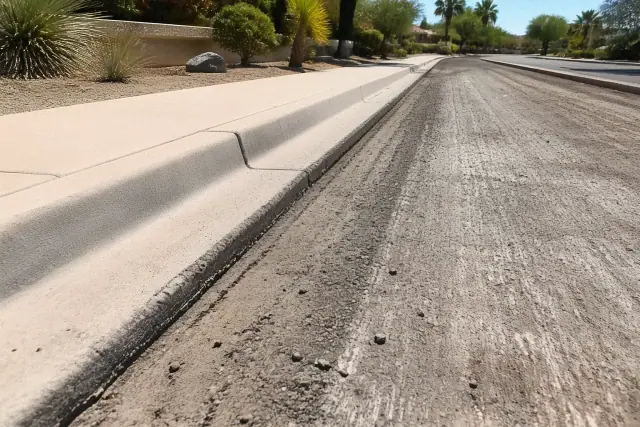
Freshly milled asphalt along a residential street curb in Scottsdale, AZ.

Targeted Asphalt Grinding

Targeted grinding handles isolated surface irregularities that do not require full-area milling. It can lower a high joint, feather a patch transition, or remove an old utility cut that sits proud of the surrounding pavement.

  • Useful around utility repairs, heaved sections, settled patches, and uneven joints.
  • Helps improve ride quality and reduce trip or tire hazards.
  • Can address root-related heaving seen in older Scottsdale neighborhoods.
  • Limits removal to the exact problem area when the rest of the surface is serviceable.
  • Reclaimed material from spot work is handled through the same recycling process.
Request Estimate
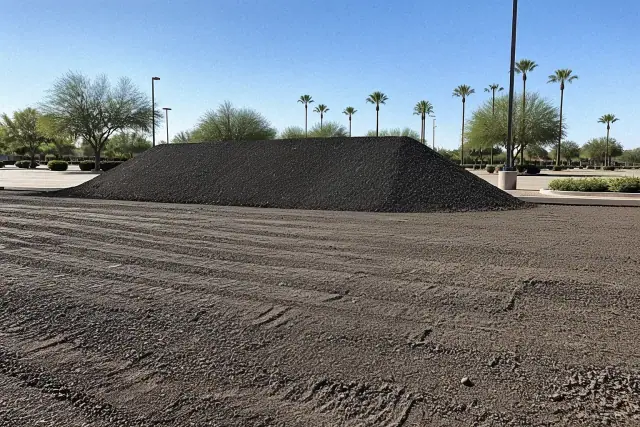
Freshly milled asphalt and a pile of reclaimed material in a commercial parking lot in Scottsdale, AZ.

Reclaimed Asphalt Recycling

Recycling is built into the milling workflow. Reclaimed asphalt pavement can be reprocessed into new hot-mix asphalt or reused as recycled asphalt millings for compactable base material where appropriate.

  • RAP is loaded as work progresses instead of being left in unmanaged piles.
  • Haul trucks are sequenced to keep active properties cleaner and safer.
  • Large commercial projects may have millings salvage value that can offset part of the haul-off cost.
  • On-site reuse is discussed only when it fits the project and property needs.
  • Recycling supports a lower-waste pavement rehabilitation scope.
Request Estimate
Finding Your Right Fit

Choosing the Right Asphalt Milling Approach

The right scope depends on what the pavement actually shows. Scottsdale Asphalt reviews cracking pattern, raveling, oxidation, base deflection, section depth where accessible, drainage, site access, and planned resurfacing thickness before recommending surface milling, spot grinding, mill and overlay, or full-depth removal. If a simpler repair will solve the problem, we will say so before you spend money on milling.

Licensed, Bonded & Insured Asphalt Contractors

Scottsdale Asphalt operates as a licensed, bonded, and insured asphalt contractor in Arizona, with crews licensed to work throughout Maricopa County. Asphalt contractors in Arizona are accountable through the Arizona Registrar of Contractors, and our commercial work accounts for City of Scottsdale right-of-way and development standards when they apply. We carry the commercial general liability and workers' compensation coverage required for professional asphalt projects.

Scottsdale Climate and Drainage Knowledge

Arizona heat, UV exposure, sandy soils, and monsoon moisture change how asphalt fails. We plan milling depth and profile with those local conditions in mind, especially where flat areas near the 101 corridor or Scottsdale Airport vicinity can hold water after storms. Correct drainage is not optional when a new overlay needs to last.

Precise Equipment and Clean Site Management

Our crews plan equipment, bit pattern, truck staging, utility lid transitions, curb and apron edges, and work phasing before the machine starts. Reclaimed material is loaded and removed as work progresses so retail lots, commercial sites, and residential driveways are not left unsafe or blocked by loose millings.

What Sets Us Apart

Why Choose Scottsdale Asphalt for Asphalt Milling Removal?

We focus on honest recommendations, precise cut depth, clean jobsite control, and pavement preparation that supports a durable overlay. Before quoting, we look at whether milling is truly needed, how deep the failed material goes, whether drainage needs correction, and how the reclaimed asphalt should be handled.

Request Free Estimate

Widespread Alligator Cracking

Interconnected cracks that look like reptile scales can show surface fatigue, especially when they spread beyond a small localized area. If the pavement still feels stable under vehicle loads, milling may remove the failed surface material instead of paying for full-depth reconstruction.

UV Oxidation and Raveling

Scottsdale sun can turn black asphalt gray and brittle, and raveling starts when aggregate separates from the binder. Once that oxidized layer can no longer hold patch material or bond well to new asphalt, milling creates a fresh textured surface for resurfacing.

Reflective Cracking After Thin Overlays

Placing a new overlay directly on cracked, oxidized asphalt can let old cracks reflect through the new surface, sometimes within one to two seasons under Arizona thermal cycling. Milling removes that failed layer first so the overlay bonds to a cleaner, rougher profile.

Birdbath Ponding and Poor Cross-Slope

Low spots, transverse dips, and disrupted cross-slope can hold water after monsoon storms. Milling lets our crew adjust the profile before resurfacing so water drains toward collection points instead of sitting on top of the new asphalt.

Utility Cuts, Tree Roots, and Uneven Joints

Older neighborhoods and commercial corridors often have utility patches, proud joints, settled transitions, or tree-root heaving. In areas such as the Indian Bend Wash greenbelt corridor and older neighborhoods north of Old Town, mature tree canopy can contribute to root intrusion and heaved pavement sections.

Base Failure Warning Signs

Milling only makes sense when the base can support the new surface. If core samples, load response, base contamination, or subgrade saturation show that deeper structural layers have failed, full-depth removal may be the better recommendation.

How It Works

Our Asphalt Milling Process

Our process is built to answer the questions that matter before equipment arrives: what failed, how deep it goes, whether the base is sound, how water should drain, and how the site will remain accessible. From estimate to cleanup, Scottsdale Asphalt keeps the scope clear and the milling profile tied to the resurfacing plan.

01.

Site Visit and Pavement Assessment

We begin with a free on-site estimate that maps visible distress, checks for deflection under load, reviews accessible pavement depth, and notes drainage or utility conflicts. Commercial projects may call for core samples to confirm layer thickness before a final recommendation.

02.

Milling Scope and Depth Plan

Next, we match the recommended cut depth to the pavement profile and overlay plan. Shallow refresh milling, 3 to 4-inch removal, spot grinding, or full-depth removal are discussed in plain language so you understand why the scope fits the pavement.

03.

Equipment Mobilization and Site Staging

We select compact or larger milling equipment based on access, surface area, and production needs. On active commercial properties, we coordinate traffic flow, signage, phasing, early-morning work when appropriate, and truck sequencing to reduce disruption.

04.

Precision Cold Milling

The drum removes asphalt to the planned profile while grade sensors and slope controls help hold consistent depth. Crews watch utility lids, curb transitions, edges, and drainage lines so the milled surface is ready for the next paving step.

05.

RAP Loading and Jobsite Cleanup

Reclaimed asphalt is loaded into haul trucks as the milling machine works, then hauled for recycling, reprocessing, or approved reuse. Loose debris is removed as the crew progresses so the property is not left blocked or unsafe.

06.

Overlay Preparation and Next Steps

After milling, the surface is trimmed, cleaned, and prepared for tack coat and new asphalt overlay when resurfacing is part of the scope. If hidden base damage appears during removal, we stop, show you what changed, and review options before moving forward.

Get Better Pavement

Schedule Asphalt
Milling Removal
Estimate

When patching no longer makes sense, a milling estimate gives you a clear answer before you commit to resurfacing or replacement. Contact Scottsdale Asphalt to review your driveway, parking lot, or commercial pavement and get a practical recommendation for Scottsdale's heat, traffic, and monsoon conditions.

Milling Help

Asphalt Milling Removal FAQs

These asphalt milling FAQs cover cost, depth, recycling, permits, service timing, driveway work, commercial parking lots, and the Scottsdale climate factors that affect resurfacing decisions. For a property-specific answer, call Scottsdale Asphalt or request a free estimate.

Call Scottsdale Asphalt

Asphalt milling removal in Scottsdale typically ranges from $1 to $3 per square foot for standard surface milling and demolition. Deeper cuts at 4 inches or more can reach $8 to $12 per square yard on commercial projects, and minimum mobilization costs commonly start around $500. Your exact quote depends on depth, area, access, haul distance, and whether reclaimed asphalt is reused or hauled for recycling.

Cold milling uses a rotating drum with carbide cutting teeth to grind the asphalt surface to a precise depth without heat. The drum fractures the bound asphalt and lifts it onto a conveyor that loads RAP into haul trucks. Grade sensors and slope controls help keep the cut consistent so the surface is ready for tack coat and overlay.

Milling is usually appropriate when the surface is cracked, raveled, or oxidized but the base course still feels stable under loads. Full-depth replacement is the better choice when the base or subgrade has failed because removing only the surface would not solve the structural problem. Scottsdale Asphalt checks conditions before recommending either option.

A properly milled and resurfaced asphalt surface in Arizona can last 15 to 25 years depending on traffic, drainage, preparation quality, and maintenance. Residential driveways that have been maintained may last 20 to 25 years before the surface course is too oxidized to maintain, and a fresh overlay after milling may extend service life another 15 to 20 years. Sealcoating every 3 to 5 years helps protect the binder from Scottsdale UV exposure.

The milled material is reclaimed asphalt pavement, or RAP. It can be hauled to an asphalt plant for reprocessing into new hot-mix asphalt or reused as recycled asphalt millings for compactable base material where appropriate. Scottsdale Asphalt includes waste management and recycling handling in the project scope.

Same-day milling can be possible only when the project is already scoped, equipment is available, and site conditions allow it. Urgent pavement failures on commercial properties may be handled on short notice, but planned residential and commercial work is scheduled around scope, access, traffic, and equipment needs. Call to discuss availability and the safest next step.

Permit needs depend on where the work occurs. Milling that affects the City of Scottsdale public right-of-way, curb cuts, sidewalk aprons, or street edges may require right-of-way coordination with the City of Scottsdale Transportation Department and must follow applicable city standards. Private driveway or parking lot milling usually has fewer permit issues, but larger commercial site work may require additional review, and we identify those needs during the estimate.

Patching works best for isolated damage such as a single pothole, a limited cracked area, or one utility cut patch. Milling becomes more cost-effective when distress is widespread or the surface is so oxidized that new material cannot bond properly. If crack sealing or patching will realistically buy more life, Scottsdale Asphalt will explain that instead of pushing a larger scope.

Depth depends on the failed layer, existing pavement thickness, and the overlay planned afterward. A standard surface refresh may be around 1.5 inches, while multiple deteriorated lifts can require 3 to 4 inches or 4 inches or more. We confirm the recommendation during the site assessment rather than using square footage alone.

Yes, milling can help improve drainage when low spots, cross-slope problems, or birdbath ponding are part of the surface profile. The crew can set the milling grade to move water toward collection points before new asphalt is placed. If ponding comes from deeper base settlement, that structural issue may need a different repair.

Yes. We use compact milling equipment on residential driveways where full-size machines would be too large near landscaping, irrigation heads, garage aprons, or narrow approaches. The typical process removes the failed top layer, loads the millings, cleans the surface, and prepares it for tack coat and overlay if resurfacing is included.

Scottsdale asphalt faces extreme surface heat, UV radiation, and monsoon moisture infiltration. Summer pavement surface temperatures routinely exceed 160°F, and monsoon season runs from mid-June through September. That is why milling depth, tack coat timing, compaction, and drainage correction matter more here than in cooler, drier markets.

We plan phasing, traffic flow, signage, truck staging, and work windows around the property's operations. On active retail, office, resort, or medical sites, milling can be sequenced in sections so access is not unnecessarily blocked. Tenants and customers should know the schedule before work begins, and loose material is removed as the job progresses.