Proudly serving Scottsdale, Mesa, Tempe, Phoenix, Chandler, Gilbert & surrounding areasCall or Text 24/7: 602-905-5399
Aerial view of a paved asphalt parking lot at an office complex in Scottsdale, AZ with desert mountains in the distance.

Asphalt Pothole Repair and Patching Services in Scottsdale, AZ

Scottsdale Asphalt provides pothole repair in Scottsdale, AZ for residential driveways, commercial parking lots, HOA communities, and private roads. Our crews handle asphalt patch repair, full-depth pothole repair, infrared asphalt repair, crack sealing, and surface resurfacing across the Phoenix metro area. We focus on durable hot-mix asphalt, proper base compaction, and repair methods built for Arizona heat instead of quick cold-patch fills. Every estimate starts with a straightforward look at the pavement, drainage, base condition, and traffic pattern so the scope is clear before work begins.

Scottsdale's desert climate can push asphalt surface temperatures above 180°F, while monsoon moisture and expansive valley soils work underneath the pavement. That combination dries out binder, opens cracks, weakens base layers, and turns small defects into potholes quickly. We inspect the visible hole and the surrounding pavement so the repair addresses the cause, not just the cavity. Call for a free estimate, and we will give you a straight answer the same day about whether your property needs a surface patch, infrared repair, full-depth repair, or preventive maintenance.

From driveways in McCormick Ranch, Gainey Ranch, and DC Ranch to retail centers and office lots, we match the repair method to the failure depth, traffic load, and drainage conditions. A proper repair starts below the surface, which is why we remove compromised base material and compact new aggregate when the foundation has failed.

Scottsdale Asphalt provides pothole repair throughout Scottsdale, Paradise Valley, Tempe, Mesa, Chandler, Gilbert, Phoenix, and nearby Phoenix metro service areas.

★ ★ ★ ★ ★5/5 Customer Rating · 26 Years in the Asphalt Trade · Thousands of Paving Jobs Completed · Licensed, Bonded & Insured · Homes, Businesses & Commercial Sites

Pothole Repair Services & Benefits

What Is Pothole Repair?

Pothole repair is the process of removing failed asphalt, correcting the base condition, and installing new material so the surface can carry traffic again. A lasting repair does more than fill the visible opening; it identifies whether the damage began at the surface, the base, or the drainage path around the pavement.

In Scottsdale and eastern Maricopa County, repairs need to account for UV oxidation, thermal expansion, monsoon water, and clay-heavy or expansive soils. Those local conditions can weaken asphalt binder from the top down and reduce base support from the bottom up.

Depending on the depth and cause of the failure, the right solution may be a surface patch, full-depth pothole repair, infrared asphalt repair, crack sealing, or resurfacing. We choose the method after assessing the surrounding pavement, not before.

Benefits of Professional Pothole Repair

Professional pothole repair helps protect pavement value, driver safety, and property appearance while reducing the chance that the same spot fails again. The biggest benefits come from correcting the base, bonding the edges correctly, and checking drainage instead of placing a temporary fill over a deeper problem.

  • Reduces vehicle damage risk and trip hazards in driveways, parking lots, HOA lanes, and private roads
  • Stops water from entering open cracks and weakening the subgrade beneath the repair
  • Uses durable hot-mix asphalt and compacted aggregate base where permanent repair is needed
  • Restores a flush driving surface without leaving a lip, rut, or drainage low spot
  • Matches the repair method to surface failure, base failure, traffic loading, and surrounding asphalt quality
  • Helps commercial properties reduce disruption by scheduling work during lower-traffic windows
  • Prevents small cracks and depressions from expanding into larger full-depth failures
  • Provides clear scope, material recommendations, and written pricing before work begins
Pothole Repair Services

Pothole Repair Services

Scottsdale Asphalt handles pothole repair across residential, commercial, HOA, and private-road settings. Our service mix includes driveway repairs, parking lot repairs, asphalt patching, full-depth reconstruction, infrared repair, crack sealing, and resurfacing support when isolated patching is not enough.

Residential Driveway Pothole Repair

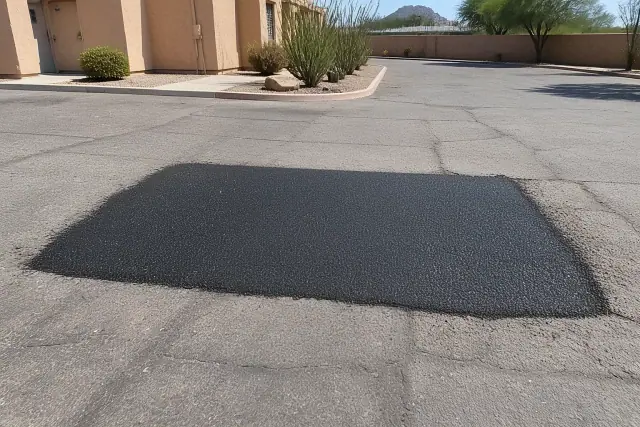
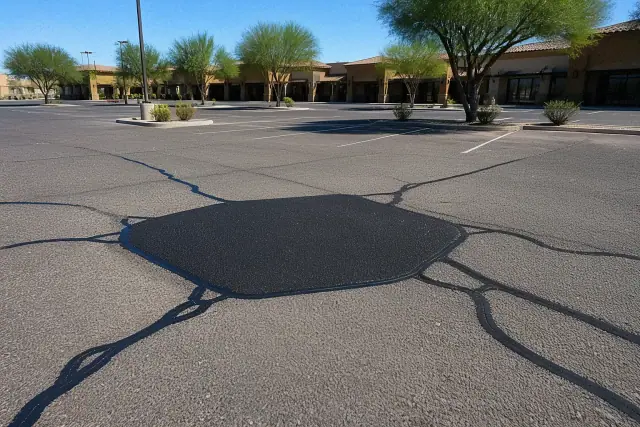
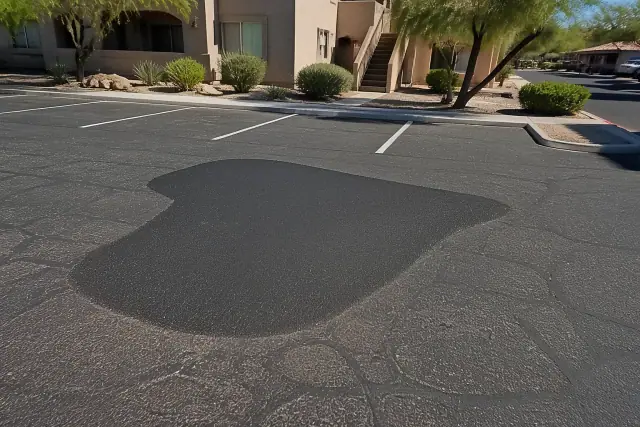
A fresh black asphalt pothole repair in an apartment complex parking lot in Scottsdale, AZ.

Driveways concentrate tire loads in narrow wheel paths, especially on south- and west-facing surfaces with heavy Scottsdale sun exposure. We inspect depressions, connected cracks, drainage, and base density before recommending a surface repair or full-depth replacement. With proper base preparation and durable asphalt mixes, a well-executed driveway repair should deliver a minimum of eight to ten years of service life before the next intervention is needed.

Request Estimate

Commercial Parking Lot Pothole Repair

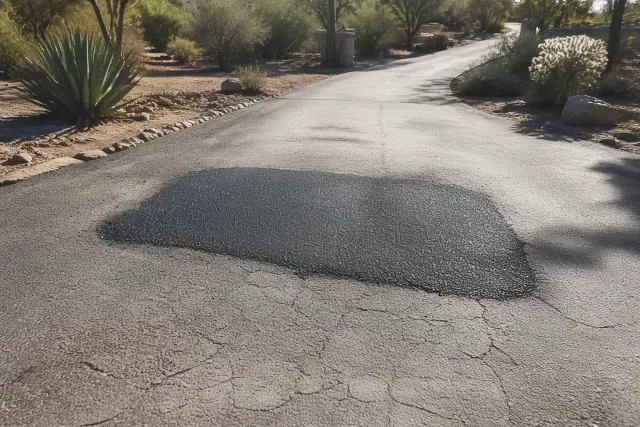
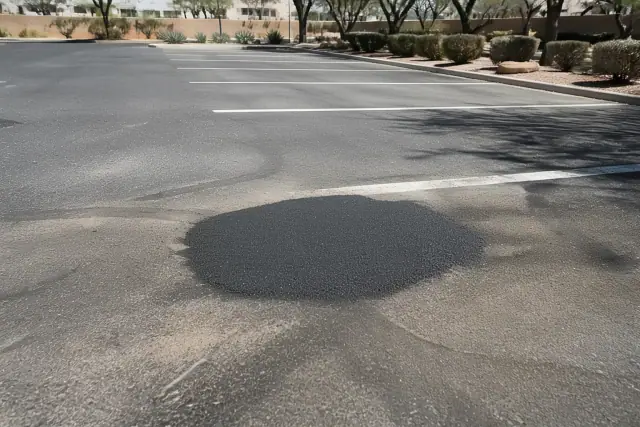
A freshly patched dark asphalt pothole on a sun-baked residential driveway in Scottsdale, AZ.

Commercial potholes create liability risks for customers, tenants, delivery traffic, and parked vehicles. We can schedule work during lower-traffic windows for retail centers, restaurants, office parks, and HOA lots, then coordinate work-zone setup so access stays organized. Commercial repairs typically range from $300 to $1,200 per repair depending on size, depth, and severity.

Request Estimate

Asphalt Patch Repair

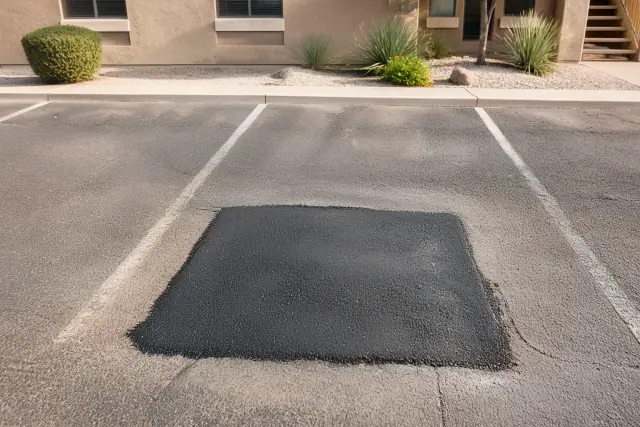
Freshly patched asphalt repair in a parking lot in Scottsdale, AZ.

Patch repair is appropriate when the failed area is localized and the surrounding pavement remains structurally sound. We saw-cut or mill the edges, remove loose material, compact the base, and install hot-mix asphalt so the patch bonds to clean vertical boundaries. This is not the same as a temporary cold-patch fill that breaks down under UV exposure and thermal cycling.

Request Estimate

Full-Depth Pothole Repair

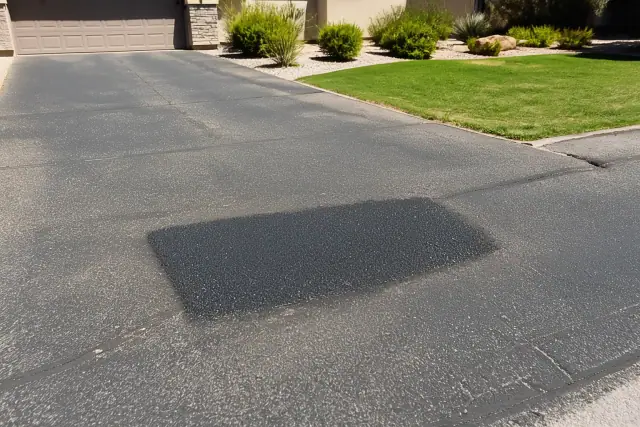
Freshly repaired asphalt patch on a residential driveway in Scottsdale, AZ.

Full-depth repair is used when water infiltration or repeated traffic has compromised the base below the visible hole. Failed asphalt and saturated base material are excavated, replaced with properly graded aggregate, and compacted in lifts before new asphalt is placed. For repairs deeper than 3 inches, we use a base course lift followed by a surface course that matches the surrounding texture.

Request Estimate

Infrared Asphalt Repair

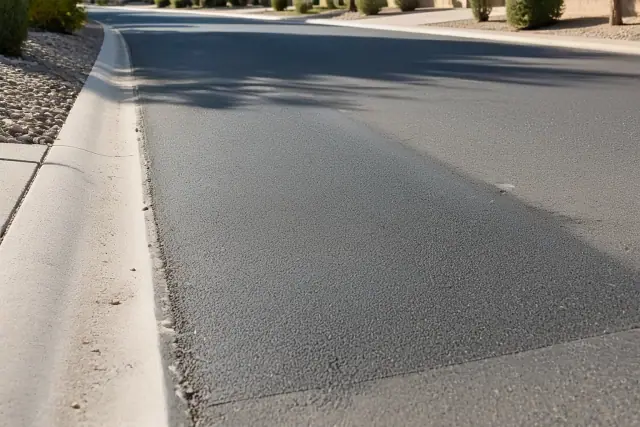
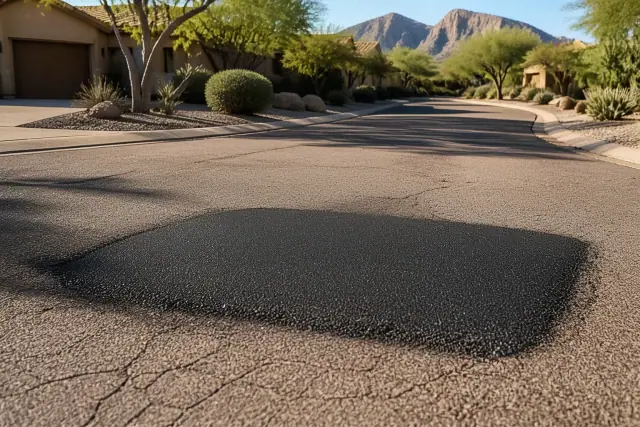
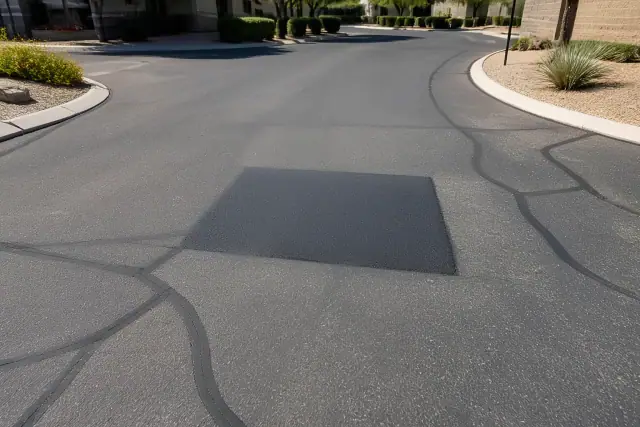
A freshly patched asphalt pothole on a quiet residential street in Scottsdale, AZ.

Infrared asphalt repair uses radiant heat to re-liquefy the existing asphalt around a shallow failure, then integrates new material into the warmed surface. The result is a thermally bonded repair with no hard seam line between old and new pavement. It is best for surface-level potholes, shallow depressions, utility cuts, and areas where the surrounding asphalt is still serviceable.

Request Estimate

Crack Sealing and Preventive Maintenance

Freshly repaired pothole and sealed asphalt cracks in a Scottsdale, AZ retail parking lot.

Crack sealing is one of the most cost-effective ways to prevent potholes because it blocks water before it reaches the base. We recommend addressing hairline and working cracks early, especially before monsoon moisture turns small openings into depressions and potholes. For broader surface wear, resurfacing may be a better option than isolated patching.

Request Estimate
Pothole Repair Options

Types of Pothole Repair Methods

No single pothole repair method fits every pavement failure. We select from surface patching, full-depth reconstruction, infrared repair, crack sealing, and resurfacing based on the depth of the damage, moisture conditions, asphalt age, traffic load, and surrounding pavement strength.

Freshly patched asphalt pothole in a commercial parking lot in Scottsdale, AZ.

Surface Patch Repair

Surface patch repair fits localized potholes where the surrounding asphalt and base are still sound. The goal is to remove loose material, create clean boundaries, compact the support below, and install hot-mix asphalt that ties into the existing pavement.

  • Best for isolated potholes surrounded by stable pavement
  • Uses saw-cut or milled vertical edges for better bonding
  • Removes loose debris, fractured asphalt, and contaminated material
  • Includes base compaction before new asphalt is placed
  • Finished flush with the surrounding surface to reduce edge cracking
Request Estimate
Freshly repaired asphalt pothole patch on a residential street in Scottsdale, AZ.

Full-Depth Repair

Full-depth repair is the right choice when the problem extends below the asphalt surface into the aggregate base or subgrade. This method rebuilds the failed section from the bottom up instead of placing new asphalt over soft support.

  • Best for potholes caused by base failure, saturation, or severe deflection
  • Removes failed asphalt and compromised base material
  • Replaces soft areas with properly graded aggregate
  • Compacts aggregate and asphalt in lifts for stronger support
  • Reduces the chance of the repaired area sinking again under traffic
Request Estimate
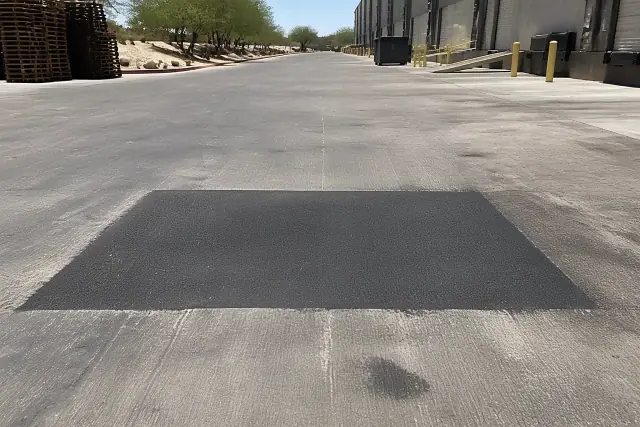
Fresh asphalt pothole repair in a loading drive in Scottsdale, AZ.

Infrared Asphalt Repair

Infrared repair uses radiant heat to soften the existing asphalt around a shallow defect so new material can be blended into the repair zone. When the surrounding asphalt is still serviceable, this creates a cleaner thermal bond than a separate patch.

  • Best for shallow potholes, surface depressions, and utility-cut repairs
  • Heats the existing pavement so old and new material can integrate
  • Creates a bonded repair with less visible seam definition
  • Helps reduce edge cracking that can form around conventional patches
  • Not recommended where broad base failure or severe oxidation is present
Request Estimate
Freshly patched asphalt repair in an office driveway in Scottsdale, AZ.

Crack Sealing and Surface Maintenance

Crack sealing is preventive work that keeps water from reaching the base before a pothole forms. It is most useful when cracks are still narrow enough to seal and the pavement structure has not already failed underneath.

  • Best before cracks widen, ravel, or connect into alligator patterns
  • Blocks monsoon water from entering the pavement base
  • Helps protect asphalt binder that has started to oxidize under UV exposure
  • Pairs well with periodic sealcoating and surface inspections
  • Usually costs less than waiting for full-depth excavation later
Request Estimate
Freshly repaired asphalt pothole in an apartment complex parking lot in Scottsdale, AZ.

Resurfacing for Widespread Wear

Resurfacing may be appropriate when the pavement has broad oxidation, raveling, or surface wear but the base can still support traffic. It can be paired with isolated full-depth repairs where a few failed spots need structural correction first.

  • Best for larger areas where isolated patches would leave uneven results
  • Addresses raveling and worn surface texture when the base remains stable
  • Can follow full-depth repairs in the worst failed sections
  • Improves the driving surface and visual appearance of older asphalt
  • Useful for HOA communities, commercial lots, and private roads with repeated wear
Request Estimate
Finding Your Right Fit

Choosing the Right Pothole Repair Method

The right method depends on failure depth, base condition, surrounding asphalt quality, drainage, and traffic load. A localized pothole in sound pavement may need a patch or infrared repair, while alligator cracking and soft base call for full-depth work. We explain the tradeoffs in writing so you know why a repair, resurfacing, or maintenance plan is recommended.

Scottsdale Climate and Soil Knowledge

Our recommendations are built around Scottsdale's conditions: intense UV exposure, summer pavement temperatures that can exceed 180°F, monsoon water, and expansive valley soils. Materials, compaction timing, drainage checks, and repair depth all change when asphalt has to survive both extreme heat and winter nights that can drop below 40°F.

Straight Assessments and Clear Estimates

Every project starts with a direct assessment of the visible pothole, the surrounding crack network, and the base under the failed area. We provide a clear written scope and estimate before work begins, including whether a localized repair, infrared method, full-depth repair, or larger resurfacing discussion is the right next step.

Durable Materials and Clean Workmanship

We use durable hot-mix asphalt, properly graded aggregate, and mechanical compaction rather than relying on quick bagged cold patch for permanent repairs. Crews keep work zones organized, remove cut material and debris, and finish the repaired surface so it sheds water away from the patch instead of creating another low spot.

What Sets Us Apart

Why Choose Us for Pothole Repair?

Choose Scottsdale Asphalt when you want pothole repair that starts with the cause of the failure, not just the surface hole. For private property owners, we are a licensed, bonded, and insured pothole repair contractor in Scottsdale. We look at drainage, base support, pavement age, traffic stress, and surrounding oxidation so your estimate reflects the repair your driveway, parking lot, HOA road, or private access lane actually needs.

Get a Free Assessment

UV Oxidation and Brittle Asphalt

Direct Scottsdale sun breaks down the asphalt binder that holds aggregate together, leaving the surface dry, brittle, and prone to raveling. Pavement that is not sealed or maintained on a regular cycle can show visible fatigue cracking within five to seven years without intervention.

Monsoon Water Infiltration

Short, intense monsoon storms push water through open cracks and pothole edges. Once moisture reaches the subgrade, especially in clay-heavy or expansive soils, the base loses load-bearing capacity and the surface above starts deflecting under traffic.

Soft Base and Surface Depressions

A pothole is often the surface symptom of a base that has shifted, softened, or lost density. Filling the visible cavity without removing failed base material can leave a depression that sinks again within months.

Traffic Load and Fatigue Cracking

Scottsdale grew from 217,385 residents in 2010 to 241,361 at the 2020 census, and that growth puts more vehicle load on parking lots, private roads, and driveways. Delivery trucks, service vans, construction equipment, and repeated wheel-path loading can turn fatigue cracking into potholes when the pavement structure is not maintained.

Neglected Cracks and Edge Breaks

A hairline crack can become a working crack, then a depression, then a pothole if water and traffic keep prying it open. Early asphalt crack sealing is usually far less disruptive than excavating a crater after the base has been compromised.

Temporary Cold-Patch Failures

Cold-patch products can be useful as temporary emergency fills, but they compact poorly, bond weakly, and degrade quickly under UV exposure and thermal cycling. For permanent pothole repair, we focus on hot-mix asphalt, infrared bonding, or full-depth reconstruction matched to the pavement condition.

How it works

Our Pothole Repair Process

Our pothole repair process is designed to identify why the failure happened, rebuild the section properly, and leave the surface ready for traffic at the right time. We adapt the sequence to driveway, parking lot, HOA, and private road repairs while keeping communication clear from estimate through final walkthrough.

01.

On-Site Pavement Assessment

We inspect the pothole, surrounding cracks, drainage direction, traffic loads, and base condition before recommending a repair. This determines whether the job calls for surface patching, infrared repair, full-depth excavation, crack sealing, or resurfacing.

02.

Clean Cut and Debris Removal

Loose asphalt, fractured edges, and contaminated material are removed from the repair zone. When needed, we saw-cut or mill the perimeter to create clean vertical edges that help the new asphalt bond to the existing pavement.

03.

Base Inspection and Compaction

After the failed surface is removed, we inspect the exposed aggregate base. Sound base is compacted to density, while saturated or displaced material is replaced with clean, properly graded aggregate and compacted in lifts.

04.

Hot-Mix Asphalt Placement

We place hot-mix asphalt in lifts appropriate to the repair depth and compact each lift with mechanical equipment. Deep repairs may use a coarser base course under a finer surface course to match the surrounding pavement texture.

05.

Surface Finishing and Drainage Check

The finished repair is compacted flush with the surrounding pavement so it does not create a lip or low spot. We verify that water sheets away from the repair area, because standing water can restart the same failure cycle.

06.

Cure Time and Final Walkthrough

Most standard residential repairs physically take one to three hours, while multi-pothole commercial work can often be completed in a single day. Hot-mix asphalt typically needs 24 to 48 hours before vehicle traffic returns, and we explain access timing, cleanup, and maintenance steps before we leave.

Get Better Pavement

Schedule a Pothole
Repair
Consultation

Have a pothole in a driveway, parking lot, HOA lane, or private road? Scottsdale Asphalt can inspect the damage, explain whether the surface or base has failed, and provide a clear estimate before repairs begin. Request an estimate or call now to get a straight answer about the safest, longest-lasting repair option for your property.

Pothole Repair Help

Pothole Repair FAQs

Have questions about pothole repair costs, timing, city reporting, infrared repair, or Scottsdale pavement conditions? These answers cover the issues property owners most often ask about before repairing a driveway, parking lot, HOA road, or private access surface.

Call Our Asphalt Team

Yes. On private property such as your driveway, parking lot, HOA road, or private access lane, you can hire a licensed private contractor to repair potholes. Public roads maintained by the City of Scottsdale or Maricopa County must be handled through the appropriate public agency, permits, and traffic-control process.

For city-maintained streets, use the City of Scottsdale's Scottsdale EZ online portal or call 480-312-3111 during business hours. The City of Scottsdale Public Works department at 3939 N. Drinkwater Blvd handles street maintenance requests within city limits. Private driveway, parking lot, or private road potholes are not city repairs and require a private contractor.

Base preparation is the most critical step. If failed, saturated, or displaced base material is not removed or compacted correctly, the new asphalt can sink even when the surface material looks good at first. We expose and evaluate the base before placing asphalt so the repair is supported from below.

Infrared repair uses radiant heat to re-liquefy the asphalt in and around a shallow failure so new material can integrate with the existing pavement. It can create a cleaner, thermally bonded repair with less seam exposure than a cut-and-fill patch. It is not the right choice when broad base failure is present, where full-depth repair is still the better method.

Cost depends on pothole size, failure depth, access, and whether base repair is required. Standard residential driveway repairs in Scottsdale typically fall in the $381 to $459 range for average-size failures. Commercial pothole repairs generally range from $300 to $1,200 per repair, and grouping several repairs into one visit can reduce the per-repair mobilization cost.

A standard residential pothole repair often takes one to three hours from cutting and cleaning through final compaction, depending on depth and size. Commercial lots with multiple failures can often be completed in a single day. Hot-mix asphalt usually needs 24 to 48 hours before vehicle traffic returns, while infrared repairs can reach traffic-ready condition faster.

Yes. Scottsdale asphalt surface temperatures regularly exceed 150°F in summer, while winter nights in the valley can drop below 40°F. Repair materials need high-temperature stability to resist rutting and enough flexibility to reduce thermal cracking, and crews must adjust compaction timing for the season and surface temperature.

Full-depth repair is usually the better choice when the pothole has a soft bottom, standing water, alligator cracking around it, or visible deflection under traffic. Those signs suggest the base is compromised, not just the surface. A surface patch is better reserved for localized failures surrounded by sound pavement.

Cold patch can be useful as a temporary fill when a hazard needs to be covered before a permanent repair is scheduled. It is not a true permanent fix in Scottsdale because it bonds weakly, compacts poorly, and breaks down under UV exposure and thermal cycling. Permanent repair usually requires hot-mix asphalt, infrared bonding, or full-depth reconstruction.

Yes. Crack sealing blocks water from entering the pavement base through hairline and working cracks, which is especially important before monsoon storms. It is one of the most cost-effective maintenance steps because it addresses the problem before the base loses support and a pothole forms.

A pothole in a commercial lot can damage vehicles, create trip-and-fall exposure, and affect the way customers and tenants move through the property. Vehicle damage from potholes cost U.S. drivers over $26 billion in repairs in 2021, averaging $1,115 per driver. Prompt professional repair helps reduce risk while keeping the lot usable and organized.

Yes. Scottsdale Asphalt repairs potholes on private roads, HOA communities, residential driveways, and commercial parking lots across Scottsdale and nearby Phoenix metro areas. Public city streets are handled through Scottsdale EZ or the appropriate municipal agency, but private surfaces are contractor work.

Keep cracks sealed, watch drainage after heavy rain, and schedule periodic surface inspections so small failures are caught early. Sealcoating, crack sealing, and timely patching can extend pavement life by years when the base remains stable. We also explain cure time and maintenance steps after the repair is complete.